





When it comes to having a child, the doctor and mother both focus a lot of care on pregnancy and delivery. They prioritize prenatal care to ensure the baby gets earthside with little to no complications. Prenatal care is very important – but so is postnatal.
There are many issues that can arise after labor and delivery. Postpartum hemorrhage (PPH) is a dangerous condition that occurs when there is a significant loss of blood following labor and delivery. To effectively treat postpartum hemorrhage, doctors must determine why the bleeding is occurring. At this stage, it is critical to work quickly to stop the blood loss and subsequent injury to the mother.
The attorneys at Hampton & King have more than 70 years of shared experience representing mothers and babies who have been injured due to medical malpractice. Our team works closely with medical experts to determine the cause of the blood loss.
When you trust your case to our law firm, you can be confident knowing you will have a caring and compassionate advocate on your side. Schedule your free consultation today.
What Is Postpartum Hemorrhage?
After giving birth, it is normal for women to bleed for up to six-twelve weeks. But when the bleeding is heavier/more than normal, it could be postpartum hemorrhage. This officially occurs when the total blood loss exceeds 32 fluid ounces. This usually occurs 24 hours after delivery but could happen up to 12 weeks postpartum.
Many think that these complications can only occur in those who deliver vaginally. This is a misconception. This condition can happen regardless of the delivery method.
Causes of Postpartum Hemorrhage
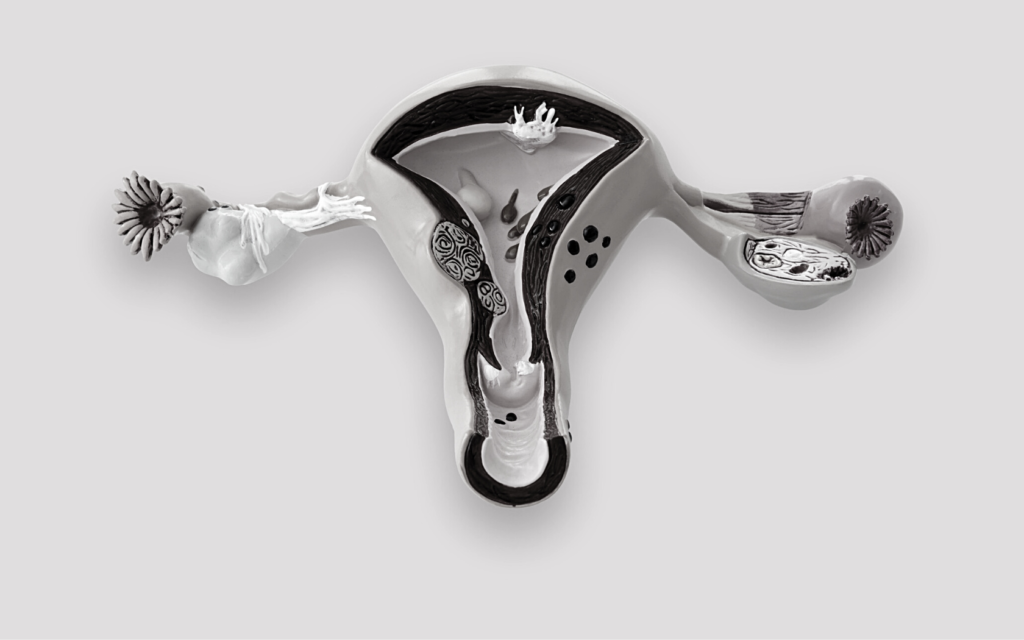
The most common cause of postpartum hemorrhage is uterine atony, which is when the uterus does not contract like it should after birth. After the delivery of the baby, the uterus continues to contract in order to deliver the placenta. This continued contraction also helps to compress the blood vessels near the placenta’s attachment site.
But if these blood vessels aren’t able to compress correctly, they continue to bleed. This causes up to 80% of all postpartum hemorrhage cases.
Other causes include:
- Abnormal labor
- C-section
- Multiple gestation
- Placenta problems
- Trauma during delivery
Doctors should assess each woman’s risk for postpartum hemorrhage during pregnancy. If a woman has an increased risk, certain precautions should be taken before labor.
Similarly, following labor and delivery, the mother should be carefully monitored for signs of postpartum hemorrhage. Serious postpartum hemorrhage can lead to stroke, organ failure, kidney failure, and other serious medical conditions.
If you or your loved one suffered significant blood loss following labor and delivery, and your health care providers failed to treat the condition or administer a blood transfusion, you should talk to a Houston medical malpractice attorney about your legal options. Hampton & King is here to help.
Postpartum Hemorrhage Risk Factors
Many cases are not associated with any risk factors. It is often an unpredictable complication.
However, there are risk factors that may increase the chance of a woman experiencing these worrying complications:
- A high number of births – the chance of hemorrhaging increases with each additional birth
- Large or multiple baby/babies that may cause the uterus to stretch
- High amount of amniotic fluid
- Previous history of postpartum hemorrhage
- Uterine fibroids
- High BMI
- Diabetes
- High blood pressure
- Mother’s age over 35
There are other risk factors that may arise during/after birth. These include:
- Induced labor
- Really fast labor
- A delivery assisted with forceps or a vacuum
- C-section
- Placenta does not completely come out
- Infection during delivery
- Baby’s shoulders getting stuck in birth canal
Postpartum Hemorrhage Symptoms
While PPH may have many symptoms, the most obvious one is heavy/excessive bleeding that doesn’t stop or slow down. If you’re even thinking you may be experiencing excessive bleeding, you should notify your doctor.
Other symptoms include:
- Drop in blood pressure (you may experience dizziness, lightheadedness, blurred vision)
- Nausea
- Increased heart rate
- Pale or clammy skin
- Abdominal pain
- Passing large clots of blood
- Painful swelling
The Connection To Medical Malpractice
A recent study concluded that the vast majority of deaths caused by postpartum hemorrhage were preventable. Tragically, many failures repeat themselves.
Failing To Treat In A Timely Manner
Hospitals have postpartum hemorrhage protocols. However, they have to be followed. Too often, nurses fail to recognize signs and symptoms of postpartum hemorrhage or fail to implement their hospital’s policy.
Postpartum hemorrhage is a condition that needs immediate attention and treatment. Medical professionals who fail to do so may be committing malpractice.
Ignoring Postpartum Hemorrhage Risk Factors
Identifying risk factors during prenatal care for many complications, including PPH, is very important. This allows healthcare professionals to be alert for red flag symptoms and prepare for life-threatening emergencies.
Not Administering Oxytocin
Pitocin is a synthetic oxytocin drug that can help a uterus contract. It is often administered after delivery, especially given to those who have risk factors.
Untimely or Incomplete Delivery Of The Placenta
The placenta is usually delivered spontaneously after the baby. However, if it is not delivered, or if fragments are left behind, PPH will occur.
For Help For Postpartum Hemorrhage Mismanagement, Start With a Free Attorney Consultation: (713) 658-0231
If you are a mother who has been injured due to a doctor’s failure to diagnose or treat postpartum hemorrhage—or if you have lost a loved one due to a medical mistake—we urge you to contact a Texas birth injury lawyer at our law firm to schedule a no-cost consultation.
We operate on a contingency fee basis, which means that you don’t have to pay us a dime unless we are able to successfully recover on your behalf!
Learn more by contacting our law offices to schedule a free consultation. Call (713) 658-0231.
FAQ’s
What are the four common causes of postpartum hemorrhage?
The four common causes of postpartum hemorrhage are often referred to as “the four T’s”:
► Tone. Uterine muscles do not contract properly and cause blood vessels to continuously bleed.
► Trauma. Damage to the uterus, vagina, cervix, or perineum can cause excessive bleeding.
► Tissue. Sometimes the placenta does not completely detach from the uterine wall.
► Thrombin. Other conditions that may cause blood clotting can exacerbate postpartum hemorrhage.
What is the earliest sign associated with postpartum hemorrhage?
One of the first, and most common, signs of postpartum hemorrhage is heavy vaginal bleeding after delivery. While some bleeding is normal, excessive and continuous bleeding is not.
When should you be concerned about postpartum hemorrhage?
Officially, vaginal bleeding exceeding 32 fluid ounces is classified as postpartum hemorrhage. You may not be measuring the output, but you’ll likely be questioning the excessive amount. Pair that with a drop in blood pressure, nausea, and/or increased heart rate; you’ll probably want to make your way to the ER.
Are there any consequences of untreated postpartum hemorrhage?
The consequences of untreated postpartum hemorrhage are severe. When not cared for, the excessive bleeding can continue and loss of blood may be too great. A patient will also experience a sudden drop in blood pressure. Their organs won’t be getting enough blood and this total system failure can very quickly cause death. PPH signs and symptoms are nothing to ignore.